Lion in Himachal
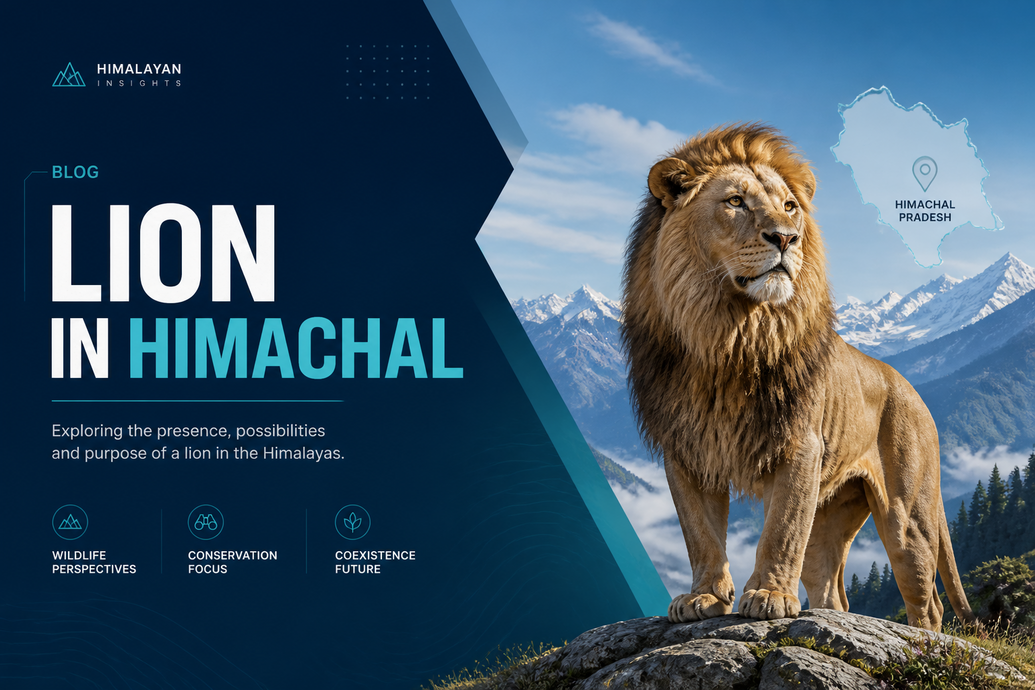
When we think of lions, the first images that come to mind are often the vast savannahs of Africa or the Gir forests of Gujarat, India. But what if you heard about a lion in Himachal? This might come as a surprise to many, as Himachal Pradesh is known primarily for its snow-capped mountains, rich biodiversity, and temperate forests rather than the presence of large felines like lions. In this detailed article, we explore the intriguing topic of the “Lion in Himachal,” discussing wildlife presence, conservation efforts, and the broad ecological importance of large carnivores in this Himalayan region.
Understanding the Presence of Lions in Himachal Pradesh
Are Lions Naturally Found in Himachal Pradesh?
The short answer is: No, lions are not native to Himachal Pradesh. Unlike states such as Gujarat and Madhya Pradesh, where lions have been historically present and are currently protected, Himachal’s ecosystem does not naturally support lions. The state’s environment, climate, and terrain are quite different from the habitats where lions typically thrive.
Big Cats That Roam Himachal
While lions do not roam Himachal, the region is home to several other big cats. Here are some noteworthy species:
- Snow Leopard: Often referred to as the ‘ghost of the mountains,’ the elusive snow leopard inhabits the higher reaches of Himachal Pradesh.
- Leopard: These adaptable big cats are found in the forests of the lower Himalayan ranges.
- Himalayan Lynx: Though rare, sightings have been reported.
Conservation and Wildlife Protection in Himachal
Himachal Pradesh has several wildlife sanctuaries and national parks dedicated to protecting its unique faunal diversity. The focus remains largely on species native to mountainous terrains. Conservation efforts try to balance human encroachment with habitat preservation, ensuring the survival of native species.
Ecological Significance of Large Predators in Himachal
The Role of Predators in Mountain Ecosystems
Large carnivores, such as leopards and snow leopards, play a crucial role in maintaining the health of the ecosystem. They regulate herbivore populations, preventing overgrazing and promoting vegetation diversity. Their presence is a sign of a well-balanced habitat.
Potential Impacts if Lions Were Introduced
While the idea of introducing lions to Himachal is hypothetical and ecologically complex, understanding the potential outcomes is interesting:
- Habitat Mismatch: Lions prefer open scrublands and dry forests, unlike Himachal’s dense pine and broadleaf forests and rugged terrain.
- Competition with Native Species: Lions could disrupt the delicate balance among native predators like leopards and snow leopards.
- Human-Wildlife Conflict: With Himachal’s dispersed human settlements, large carnivores might increase conflict, threatening both wildlife and people.
The Importance of Preserving Natural Habitats
Instead of introducing non-native species like lions, conservationists emphasize preserving and restoring the natural habitats of native fauna. This approach maintains ecological integrity and biodiversity without unintended consequences.
Exploring Wildlife Tourism: Opportunities and Responsibility
Wildlife Tourism in Himachal Pradesh
Himachal’s rich biodiversity and stunning landscapes make it a popular destination for wildlife enthusiasts. Visitors are drawn to:
- Snow Leopard expeditions in Spiti Valley.
- Birdwatching tours in Great Himalayan National Park.
- Trekking routes offering chances to spot native fauna.
Though lions aren’t part of the wildlife tourism here, the diverse big cat population adds value and excitement to nature excursions.
Responsible Wildlife Viewing Practices
Tourists need to follow guidelines to minimize disturbance to the animals and their habitats, such as:
- Maintaining a safe distance from wildlife.
- Avoiding loud noises and flash photography.
- Respecting local conservation laws and protected areas.
How Wildlife Tourism Supports Conservation
Properly managed wildlife tourism generates revenue that can fund habitat preservation, anti-poaching measures, and local community development, creating a sustainable cycle.
Conclusion
The phrase “Lion in Himachal” sparks curiosity, but the reality is that lions are not part of Himachal Pradesh’s native wildlife. Instead, this Himalayan region is home to other fascinating big cats like snow leopards and leopards, which play vital roles in its ecology. Understanding and appreciating the unique biodiversity of Himachal is essential for effective conservation. Encouraging responsible wildlife tourism further helps protect these majestic creatures and their habitats.
If you are interested in witnessing the stunning wildlife of Himachal, plan your visit with respect and care for nature’s delicate balance. Together, we can ensure the preservation of Himachal’s extraordinary natural heritage for generations to come.
Meta Description: Discover the truth about the lion in Himachal, explore native big cats, conservation efforts, and wildlife tourism opportunities in Himachal Pradesh’s rich mountain ecosystems.